
Statins: what they really do and why they raise so many questions
Let's be straightforward. Statins have been part of cholesterol treatment for years, yet they still prompt a lot of questions.
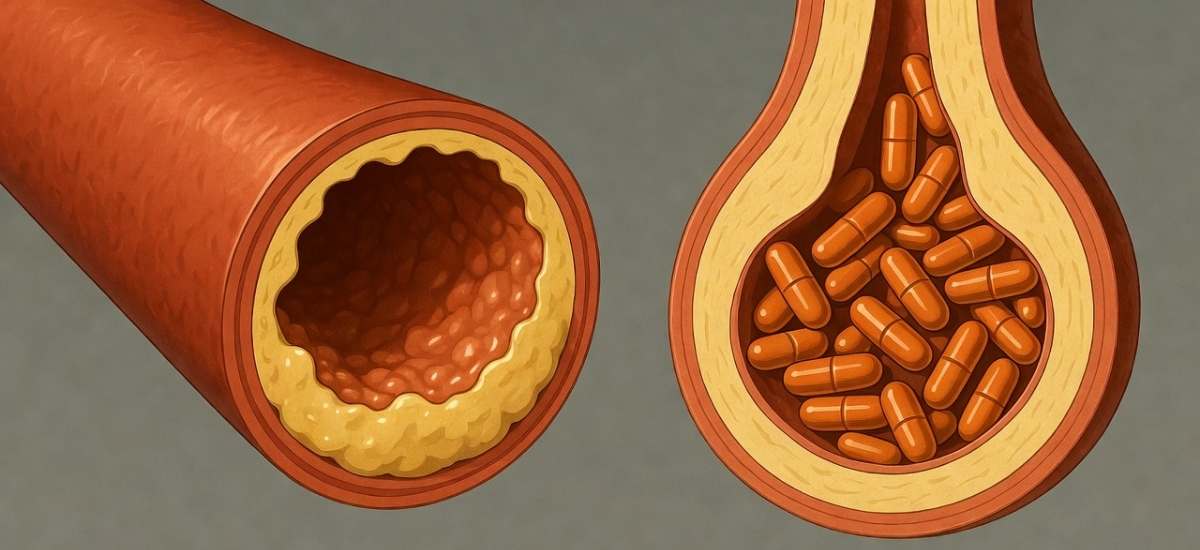
What statins are and what they are used for
Statins are medicines that help lower LDL cholesterol, the so-called "bad cholesterol". They are used because excess LDL promotes the build-up of fat in the arteries and increases cardiovascular risk. That is why they tend to be considered in people who have already had cardiovascular disease or in those with a high risk of developing it.
Put simply: they are not prescribed just to "improve a blood test", but to try to reduce the probability of problems such as heart attack, stroke or progression of atherosclerosis when the risk profile justifies it.
What they really do in the body
Their main effect is to make the liver produce less cholesterol and, in addition, help it remove more LDL from the blood. This helps slow the formation of plaques in the arteries. Some clinical sources also note that they can contribute to stabilising those plaques and reducing inflammatory processes related to vascular damage.
When they may make sense and when not to oversimplify
Not every person with slightly raised cholesterol automatically needs a statin. The indication depends on the whole picture: history, age, diabetes, LDL levels, overall cardiovascular risk and response to lifestyle measures.
That requires avoiding two very common mistakes: thinking "if cholesterol is high, a statin is always the answer" or going to the opposite extreme: "if I eat better and walk, it will never make sense to consider one".
Why they raise so many questions
Statins raise questions for several reasons at once. One is that they are used a lot, and the more frequently a treatment is used, the more experiences circulate about it. Another is that they are a preventive medicine: many people don't "feel" an immediate benefit, but they may notice or fear a side effect.
In the large trials and meta-analyses, the real excess of muscle symptoms attributable to the statin is small.
Limits, risks and precautions worth knowing
The fact that there is exaggeration around statins does not mean they are harmless in every case. They can slightly increase the risk of type 2 diabetes, especially in people who already had risk factors. They can also alter liver enzymes, although real liver damage is rare. And there is an uncommon risk of muscle damage which, in rare cases, can be serious.
The most important things to remember
The most useful practical idea is this: neither idealise them nor demonise them.
Statins are not a "magic solution", but it doesn't fit the evidence to present them as a problematic medicine by definition either. If you already take them and notice symptoms, the sensible thing is not to stop them on your own but to review the situation with your doctor or pharmacist.
You may also be interested in reading about Adiro 100 and oral anticoagulants.
