
Paracetamol: what to know about such a common medicine
Let's talk about a medicine almost everyone recognises but which, precisely because of that, is sometimes taken for granted too much.
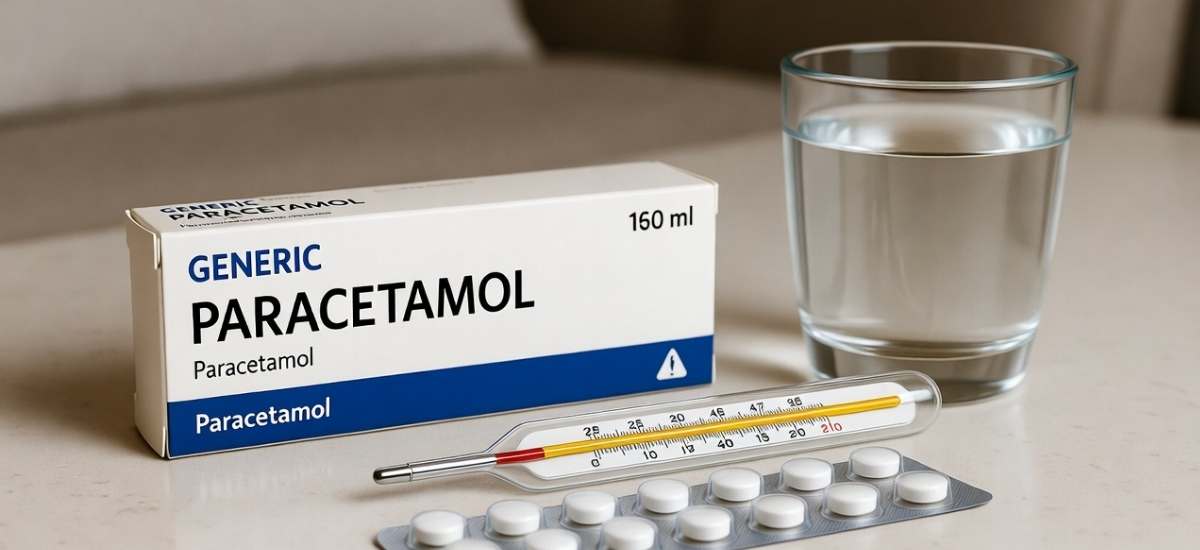
What paracetamol is and what it is usually used for
Paracetamol is a painkiller and an antipyretic. Put simply: it is used to relieve mild or moderate pain and to bring down a fever. Among the most common uses are headache, dental pain, some muscle aches and feverish states.
It's also worth remembering something important: it is not an anti-inflammatory.
How it works and why it seems so "easy" to use
One reason paracetamol has become so normalised is that, when used according to the leaflet or professional advice, it tends to be a well-known option for common symptoms such as pain or fever.
But "common" doesn't mean "harmless in every circumstance". The problem with paracetamol isn't usually correct use, but lapses: repeating doses too soon, mixing several presentations, using it for several days without checking whether it still makes sense, or adding it to other medicines that already contain it.
The most common mistakes with such an everyday medicine
The typical mistake isn't always taking a very high dose in one go. Sometimes the problem appears through accumulation or unnoticed duplication. This can happen, for example, when someone takes paracetamol "on its own" and also a cold-and-flu preparation that contains it too.
Be careful with the different presentations: not all presentations are equivalent. In children, the dose must be adjusted to weight and to the specific strength of the product.
When to be extra cautious
Even though it is a very widely used medicine, there are situations where caution should rise a notch. AEMPS/CIMA SmPCs and patient leaflets highlight the need to seek advice especially in cases of liver disease, certain kidney problems or regular alcohol use.
It is also worth reviewing the use of any medicine with a healthcare professional during pregnancy, breastfeeding, pre-existing conditions or concomitant treatment.
What approach makes sense for responsible use
With paracetamol, responsible use starts with something very basic: read carefully what you are taking and why you are taking it.
A sensible approach would be:
- check the specific presentation and its strength,
- don't combine it on your own with other products that may also contain paracetamol,
- respect the patient leaflet or the individual schedule indicated by your doctor or pharmacist,
- pay more attention in children, older people and people with pre-existing conditions,
- don't extend its use over several days without rethinking the reason.
You may also be interested in reading about Nolotil and metamizole and medicines and extreme heat.
